The Whittaker family Odd West Virginia has become a topic of fascination online. Featured on SoftWhiteUnderbelly.com, they are known as America’s most inbred family. Generations of close-kin marriages and genetic abnormalities made their story unique and widely shared in 2026.
Mark Laita documented the family, highlighting developmental delays, facial abnormalities, and extreme poverty in Appalachia. Many members communicate nonverbally, while only a few complete school. Public interest grew through YouTube and social media, showing curiosity about their lifestyle, home, and complex family tree.
As we read in this article, the Whittakers’ story combines repeated double first cousins marriages, isolation, and financial struggles. Their viral fame also brought controversy, state intervention, and fraud investigations. Genetic abnormalities, speech disorders, and poverty shape the lives of the family even today.
It all began with a pair of twins whose children married
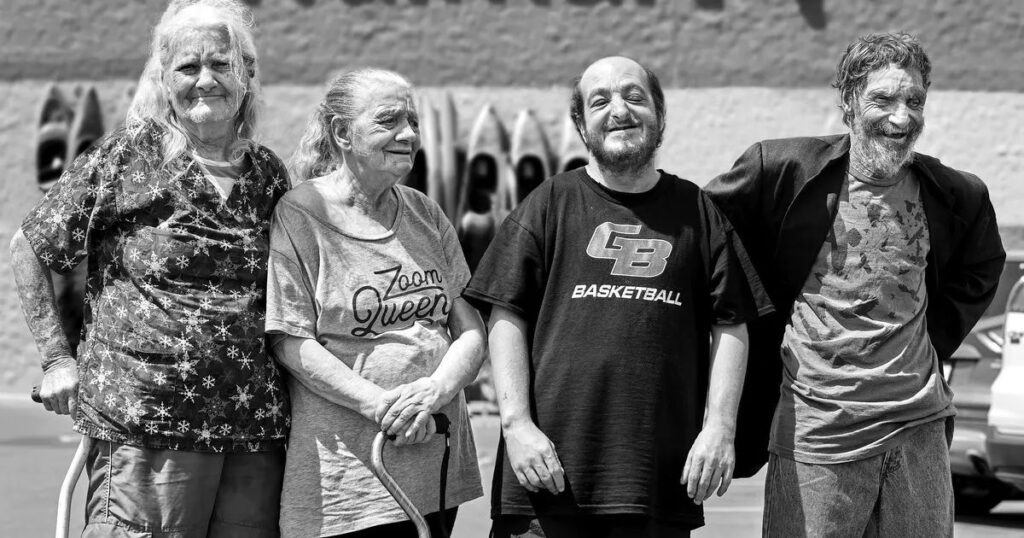
The story starts with identical twins Henry and John Whittaker, whose children later married. Their offspring, Harry and Sally, were first cousins. Because their fathers were twins, their genetic abnormalities risk increased. This early union set the stage for the Whittaker family Odd West Virginia.
Next, John, a child of the twins, married his first cousin Ada. Their daughter Gracie grew up surrounded by repeated cousin marriages. These unions caused developmental delays, speech disorders, and other genetic issues, showing how double first cousins and close-kin marriages affect health and family dynamics over generations.
Gracie married her double first cousin, John Whittaker. Their 15 children inherited compounded genetic abnormalities and faced challenges like facial abnormalities and communication difficulties. The repeated inbreeding collapsed the family tree, leaving only a few members able to complete school or live independently in poverty.
Many family members communicate nonverbally through grunts, gestures, or bark-like sounds. Only Timmy, a grandson, finished high school. Isolation in rural Appalachia and lifelong poverty amplified developmental delays, showing how poverty in Appalachia, limited medical access, and repeated inbreeding combined to create extreme challenges for the Whittakers.
As of 2026, the Whittakers remain largely out of the public eye. Viral fame brought GoFundMe fundraising, controversy, and state intervention. Their story highlights genetic risks, repeated cousin marriage, and the effects of inbreeding, double first cousins, and developmental delays on isolated families in modern America.
Inbreeding can cause serious genetic issues
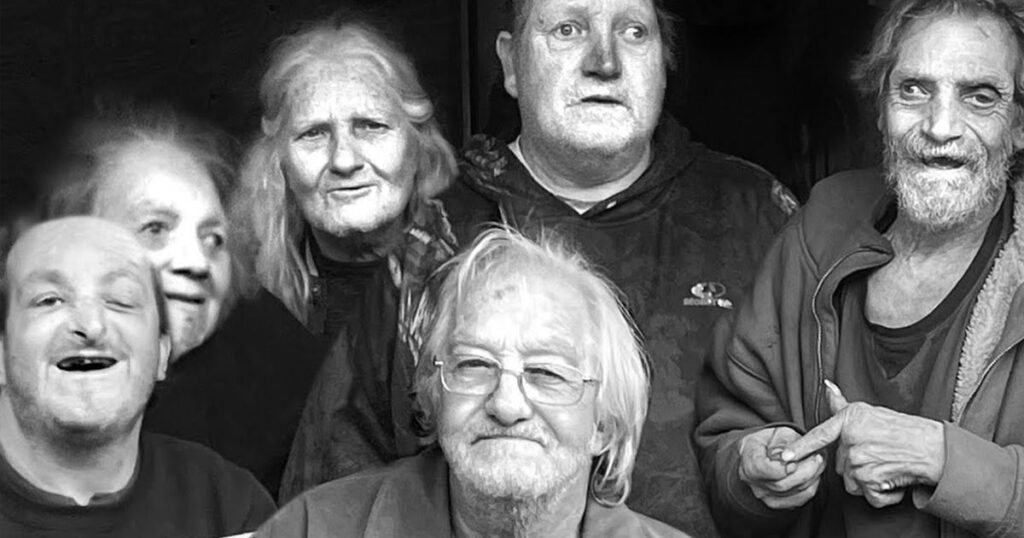
Inbreeding increases the chance that children inherit two copies of the same faulty gene. In unrelated parents, one healthy gene can often balance the other. However, repeated cousin marriages in the Whittaker family Odd West Virginia amplified genetic abnormalities across generations.
As a result, many family members developed developmental delays, speech disorders, and facial abnormalities. Their lives show how double first cousins and minimal genetic diversity can worsen inherited conditions. The Whittakers’ story demonstrates these risks clearly, making it a case study in modern genetics and inheritance.
Historical examples also show similar patterns. European royal families, like the Habsburg kings of Spain, frequently married cousins, creating long-lasting genetic abnormalities. These families experienced physical deformities and health issues, showing that close-kin unions carry serious consequences, just like in the Whittakers’ rural Appalachia setting.
Recent research confirms these risks. A 2020 Wellcome Open Research study in Bradford, UK, found children of first cousins face higher chances of developmental problems, language difficulties, and health challenges. Even after controlling poverty and education, inbreeding showed clear genetic effects across generations.
In the Whittaker family, compounded genetic abnormalities manifest as limited verbal communication, nonverbal responses, and other cognitive challenges. Only a few, like Timmy, completed high school. Their experience emphasizes the link between inbreeding, double first cousins, and lifelong developmental delays in isolated communities.
Ultimately, the Whittakers’ story warns about the dangers of repeated cousin marriage. Combined with poverty in Appalachia, isolation, and limited medical access, genetic abnormalities multiply, showing how social and environmental factors amplify inbreeding risks and affect health and family well-being in modern America.
Cousin marriage is worse than was once thought
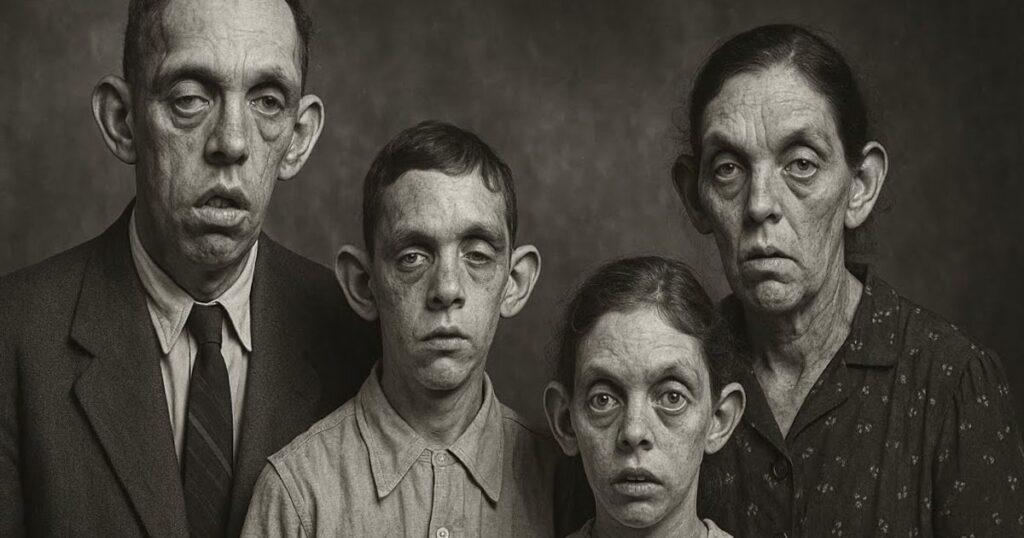
Cousin marriage is common in many cultures across Africa, Asia, and some immigrant communities. While it can maintain family ties, repeated first cousin unions increase the risk of genetic abnormalities, developmental delays, and speech disorders, as seen in the Whittakers of Odd, West Virginia.
Even historically, cousin marriage had hidden risks. Charles Darwin married his first cousin, unaware of potential genetic complications. Modern studies show that offspring from cousin unions often face more health and developmental issues than children of unrelated parents, confirming the dangers of inbreeding over generations.
A 2020 study in Bradford, UK, analyzed children of first cousins in a Pakistani community. Results revealed higher rates of language difficulties, developmental delays, and medical visits. Even controlling for poverty and education, the data showed clear effects of repeated consanguineous marriages on children’s health.
For the Whittakers, repeated cousin marriages compounded genetic abnormalities. Children faced serious challenges, including nonverbal communication, limited independence, and facial abnormalities. Isolation in rural Appalachia worsened outcomes, showing how poverty in Appalachia, limited medical care, and cousin unions can amplify health and cognitive risks.
Today, the story of the Whittakers highlights why cousin marriage carries more risk than previously believed. Double first cousins, repeated intermarriage, and inbreeding create compounded genetic issues, making their lives a cautionary example of how culture, isolation, and genetics intersect in modern America.
You May Also Like: Nick Gereffi Biography: Family and Career Life
The Whittakers have serious disabilities, and some are nonverbal
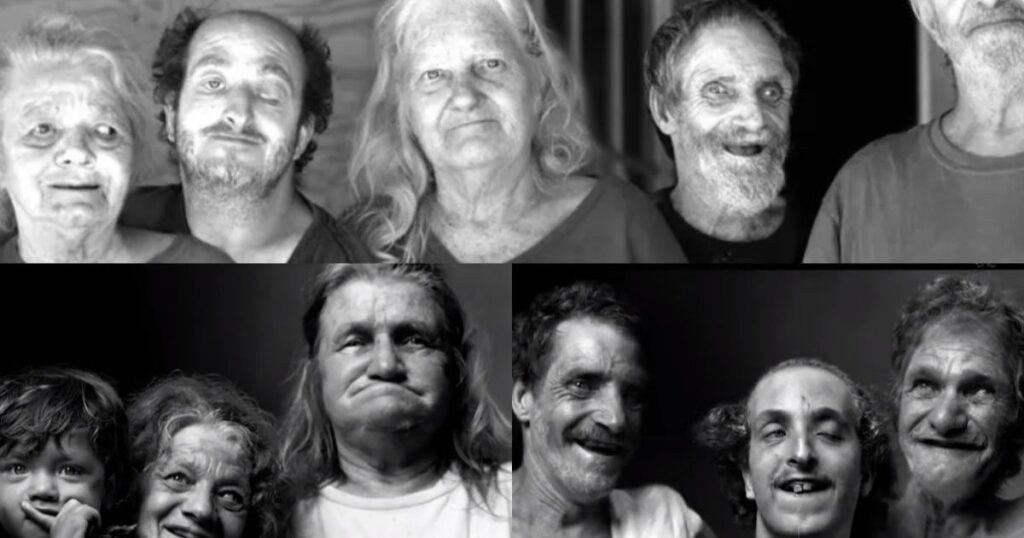
Many Whittaker family members face severe genetic abnormalities and developmental challenges due to repeated cousin marriage. Some cannot speak, communicating through grunts, gestures, or bark-like sounds. These speech disorders show the compounded effects of inbreeding and isolation in rural Appalachia.
Only a few, like Timmy, completed high school, highlighting limited opportunities and extreme poverty in Appalachia. Most rely on gestures to respond to spoken English. This demonstrates how repeated double first cousin unions can create developmental delays across generations, affecting learning and social interactions.
Facial abnormalities are common, including misaligned eyes and other visible genetic issues. Combined with nonverbal communication, these traits emphasize the physical and cognitive challenges caused by inbreeding, social isolation, and limited healthcare access in the Whittakers’ Odd West Virginia home.
Some family members may show traits linked to autism spectrum disorders, likely amplified by compounded genetic abnormalities. While they understand others, their inability to speak independently complicates daily life. This underscores how repeated consanguineous marriages magnify risks of speech disorders and cognitive challenges.
Despite these difficulties, the Whittakers maintain social bonds within the family. Their story reveals the intersection of poverty in Appalachia, developmental delays, and extreme isolation. It highlights how repeated cousin marriages, inbreeding, and limited resources shape health, communication, and independence in modern America.
They became well known through photographs taken by Mark Laita
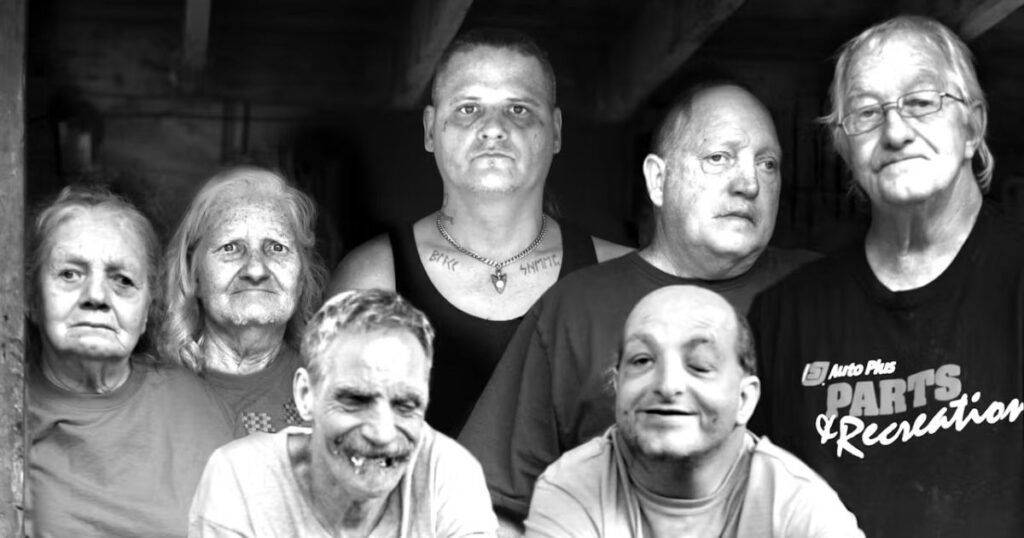
The Whittakers first gained public attention through Mark Laita, a photographer documenting vulnerable Americans on SoftWhiteUnderbelly.com. Laita captured their isolated life in Odd West Virginia, showing extreme poverty, developmental delays, and genetic abnormalities, which helped the world understand the unique challenges they face.
Laita’s project highlighted nonverbal communication, facial differences, and daily struggles. His interviews with verbal family members, like matriarch Betty, provided insight into inbreeding effects and double first cousins. The photographs gave audiences a rare glimpse into extreme poverty Appalachia and life inside the Whittaker household.
Over time, Laita’s videos went viral on YouTube, drawing both sympathy and criticism. Donations poured in via GoFundMe, raising nearly $100,000 for the family. While some funds were used for repairs, others led to controversy, reflecting the complexity of viral fame and family dynamics.
The images emphasized how repeated cousin marriage contributed to serious developmental delays, limited speech, and cognitive challenges. Laita’s work allowed viewers to see the compounded effects of genetic abnormalities, isolation, and poverty, making the Whittakers a widely discussed example of inbreeding risks in America.
By 2026, Laita’s documentation remains a primary source of public knowledge. His photographs continue to highlight the intersection of genetic issues, extreme poverty, and social isolation. The Whittakers’ story exemplifies how inbreeding, double first cousins, and developmental delays shape modern, isolated families in Appalachia.
There’s currently drama over money

In 2020, public donations via GoFundMe raised nearly $100,000 for the Whittakers’ home in Odd West Virginia. Funds aimed to repair the property and support daily needs. However, repeated poverty in Appalachia and complex family dynamics created tensions over how money was spent.
By 2024, Mark Laita claimed some donations were misused. Allegedly, certain members faked the death of nonverbal brother Larry to collect funeral funds. This sparked controversy and highlighted the risks of viral fame combined with financial vulnerability in families facing developmental delays.
Larry’s daughter, BJ Whittaker Rocha, reportedly had drug issues, which complicated fund management. Miscommunication and suspicion grew within the family. The drama emphasized how extreme inbreeding, isolation, and poverty Appalachia can intersect with public donations, creating conflicts around money and trust.
Some local media and viewers criticized the family for alleged GoFundMe misuse, while others defended them, citing lifelong hardships, developmental disabilities, and lack of guidance. The story became a cautionary tale about the complexities of viral fame, charity, and managing funds for vulnerable relatives.
By 2026, the drama continues in public discussions, though no new official verification has emerged. The Whittakers remain in the home, with Betty and Larry isolated. The situation underscores ongoing tensions between inbreeding consequences, extreme poverty, and the challenges of financial support in rural Odd West Virginia.
Conclusion
The story of the Whittakers shows how repeated cousin marriage and double first cousins create serious genetic abnormalities and developmental delays. Combined with poverty in Appalachia and isolation in Odd West Virginia, these factors shaped a family struggling with communication, health, and independence, highlighting real risks of inbreeding in modern America.
Moreover, viral attention brought both help and conflict. Public donations and GoFundMe funding offered resources, yet family disputes over money and financial vulnerability worsened tensions. The Whittakers’ tale reminds us how viral fame, poverty, and developmental disabilities intersect, stressing the importance of awareness, compassion, and careful support for families facing extreme challenges.
FAQs
What made the Whittaker family famous?
The Whittakers became famous through Mark Laita’s SoftWhiteUnderbelly.com documentaries, showing extreme poverty in Appalachia, inbreeding, and developmental delays in Odd West Virginia.
Why does the Whittaker family have disabilities?
Repeated cousin marriage and double first cousins caused serious genetic abnormalities, speech disorders, and developmental delays across generations in the family.
How do Whittakers communicate daily?
Some family members are nonverbal, using grunts, gestures, or barks. They understand English but rely on nonverbal communication for daily interaction.
What controversies surrounded Whittaker family funds?
Public donations and GoFundMe funding were sometimes misused. Alleged scams involved funeral donations, highlighting financial vulnerability and tensions in the family.
What is the current status of the Whittakers?
As of 2026, Betty and Larry remain in the Odd, WV home. Removed relatives are in state care, with poverty in Appalachia and health concerns continuing.
Read More Articles
Kayleigh McEnany 2026: Net Worth, Salary & Family Secrets
Jesse Belle’s Private Life & John Denver’s Rise